


People are tired of waiting. They want things fast, including their groceries, medicine, electronics, etc. That’s where quick commerce enters the scene. What is quick commerce, you may ask? You place an order, and it’s at your door in under 30 minutes. This model is changing how people buy everyday items.
Whether you’re a buyer or a seller, understanding quick commerce is no longer optional. It’s already reshaping retail in ways too big to ignore. This article will break it down clearly to tell you what it is, how it works, and why it matters today.
What is Quick Commerce?
Quick commerce is also known as q-commerce. It is the faster, smarter cousin of traditional eCommerce. The focus is on the immediate delivery of small orders in record time. We’re talking under an hour, often, under 30 minutes. It’s built for convenience, impulse buying, and urgent needs.
It operates through hyperlocal distribution centers, local delivery fleets, and smart tech. The goal is to make the service. If you’re still wondering what quick commerce is, here it is in one line: an online order, delivered before your coffee cools.
Why Quick Commerce is Growing So Fast?
Quick commerce exploded for a reason. COVID changed how people shop as waiting became a problem and going out became risky. Delivery wasn’t a perk; it was survival. Even as things eased, people didn’t go back to waiting. They wanted speed without compromise. They still do. Here’s why q-commerce is growing like wildfire:
- Mobile-first shopping habits
- Demand for convenience
- Better delivery tech
- Crowded cities with high demand density
- More working professionals with less time
How Quick Commerce Works
Quick commerce works through a mix of tech, location, and speed. Orders are placed through mobile apps or websites. These orders are fulfilled by local micro-warehouses, not distant fulfillment centers.
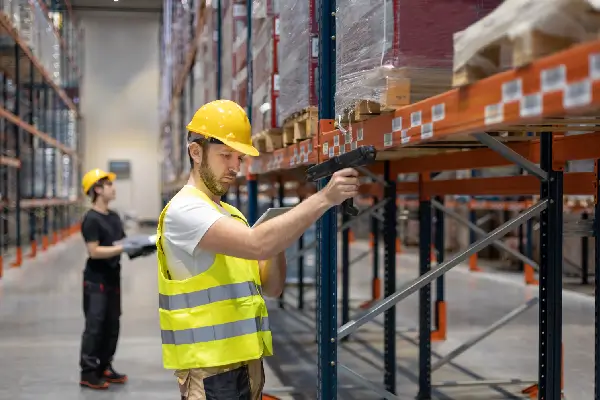
So, if you are wondering “what is a dark store in quick commerce?” this is your answer. They’re storage locations are made for picking, packing, and pushing out orders fast with no walk-ins and fast turnarounds.
Riders or drivers on electric bikes or scooters can grab the order and head out. Because the delivery zone is tight, the trip is short. That’s how q-commerce gets you items in 15 to 30 minutes, without breaking a sweat.
Quick Commerce vs. Traditional E-commerce
| Feature | Quick Commerce (Q-commerce) | Traditional E-commerce |
|---|---|---|
| Delivery Time | 10–30 minutes | 2–7 days |
| Order Size | Small baskets (1-5 items) | Large baskets |
| Purchase Intent | Immediate/Urgent | Planned/Considered |
| Fulfillment Center | Dark stores / micro-fulfillment centers | Regional warehouses |
| Delivery Radius | 2–3 km | City-wide / Nationwide |
| Product Range | Limited, high-demand SKUs | Wide, diverse catalog |
| Logistics Partner | Couriers (bikes, scooters) | National carriers (FedEx, USPS) |
Key Features That Define Quick Commerce
Quick commerce isn’t about stocking everything under the sun. It’s about stocking what people often forget, suddenly need, or don’t want to shop for physically. Let’s look at what sets quick commerce apart from regular eCommerce:
- Speed
Quick commerce thrives on fast movement, with tech and micro-warehousing ensuring products go from shelf to doorstep before customers lose interest or seek other options. - Small Baskets
Customers don’t shop big, they shop small and often. Quick commerce favors repeat buys over bulk orders, focusing on everyday items, such as snacks, medicine, cleaning supplies, etc., that people need on the fly without planning or stockpiling. - Hyperlocal Delivery Zones
Orders are fulfilled within a 2–3 kilometer radius. This keeps delivery times short and makes rapid order fulfillment from local centers efficient. It’s a tight loop that allows q-commerce companies to maximize deliveries with minimal transportation costs or delays. - Limited SKU Range
Unlike traditional retail, q-commerce thrives with fewer products. It stocks only high-demand items that people order regularly. The idea is to focus on fast turnover, not endless variety, which helps reduce picking time and inventory strain. - Tech-Driven Operations
From live tracking to AI-assisted dispatching, tech powers everything behind quick commerce. Smart software manages stock levels, routes, and fulfillment speed, ensuring every order flows smoothly from screen to doorstep with little human delay.
Key Challenges in Quick Commerce
While fast, the model has significant hurdles:
-
High Operating Costs: Delivery costs in Q-commerce are 3-4x higher than in regular e-commerce due to the need for dense delivery infrastructure.
-
Inventory Accuracy: Predicting demand for hyperlocal stock is complex, often leading to stockouts or overstocking.
-
Last-Mile Delivery Issues: Urban traffic and efficient route planning are major operational headaches.
-
Low Average Order Value (AOV): Small basket sizes make profitability a challenge.
-
Sustainability Concerns: The model relies on a gig workforce and packaging for many small trips, raising environmental and ethical questions.
Quick Commerce Business Model: How To Step Up One
By now, you have an answer to the question “What is a quick commerce business model?” It thrives on three things: fast delivery, frequent orders, and local hubs. Instead of selling everything, it focuses on top-selling SKUs, fast, light, and repeat purchases. But how do you set one up? Here is a quick guide to help you out.
- Identify High-Demand Essentials
Quick commerce is more about necessity than variety. Therefore, you should start by listing products people often run out of, such as groceries, toiletries, baby items, pet food, etc. Ideally, focus on urgency, not luxury. These products move fast, and your store should only carry what sells daily or weekly. - Choose the Right Location
Your dark store should sit in a high-density urban area. Keep the delivery radius under three kilometers to ensure 10–30 minute delivery times. The closer you are to your customers, the faster your turnaround and the fewer delivery failures you face. - Use a Lean Inventory Model
Don’t stock hundreds of items. Instead, stick to fast-moving SKUs as this keeps storage, picking, and delivery efficient. A limited range reduces confusion, shortens order processing, and speeds up fulfillment. Your space should be small, well-labeled, and easy to move through quickly. - Build a Fast, Intuitive App
Your app or web portal must show live inventory, allow instant checkout, and offer real-time tracking. Customers won’t tolerate errors or delays. This tool is the face of your brand, and that is why you need to make it clear, fast, and mobile-friendly. - Train and Equip Your Delivery Team
Speedy service depends on your drivers. Therefore, you should equip them with e-bikes or scooters to beat traffic and offer clear routing instructions and performance bonuses for accuracy and speed. Your people on the street are the heartbeat of your q-commerce promise. - Optimize Operations with Smart Tech
Utilise AI or analytics to optimise stock levels, delivery timing, and manage order spikes. These insights help you predict demand, avoid waste, and reduce delays during peak hours. - Create Revenue through Multiple Channels
Profit in q-commerce isn’t just from product sales. You can add revenue with delivery fees, brand promotions, ad placements in your app, and exclusive product partnerships. Each small stream adds up, especially when volume is high and repeat orders grow.
Future of Quick Commerce
The market is evolving beyond just groceries. Expect to see:
-
Expansion into New Verticals: Electronics, apparel, and pharmaceuticals are the next frontiers.
-
Profitability Focus: Companies will shift from growth-at-all-costs to sustainable unit economics.
-
AI-Driven Efficiency: Predictive analytics and automated micro-warehouses will be key to reducing costs.
-
Slower Growth in Mature Markets: Growth will stabilize, moving from 70-80% YoY to a more sustainable pace
Conclusion
Quick commerce isn’t a passing trend. It’s a fundamental shift in how people expect to shop, fast, frictionless, and hyperlocal. Whether you’re a retailer, a brand, or a logistics provider, ignoring q-commerce means falling behind.
But speed alone isn’t enough. You need the right technology, inventory strategy, omnichannel fulfillment strategies and infrastructure to make 30-minute delivery profitable.
That’s where WizeFulfill comes in. Our 3PL warehouse management system is built for rapid order execution, from dark store inventory sync to last-mile dispatch.