
Ecommerce & Fulfillment
Supply Chain To-Do List
In the fast-paced world of supply chain management, staying ahead of the curve is crucial.
May 21, 2024

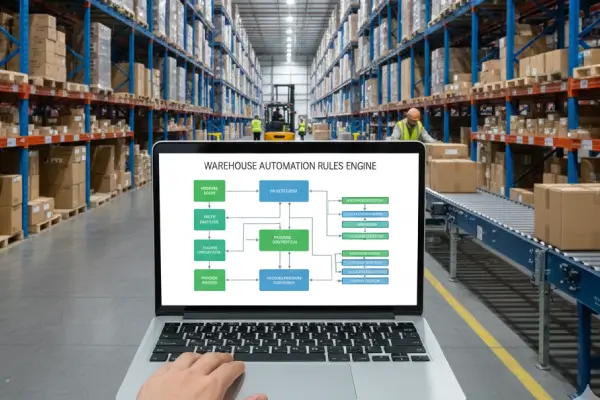
Automation rules for WMS make warehouse work simple and fast. A rule tells the WMS what to do when events happen. Rules can move products and update stock by assigning tasks. They cut errors and save time for staff.

Running a warehouse without a proper warehouse workflow is like trying to drive without a steering wheel. You may move, but not in the right direction. In 2025, success depends on accuracy, speed, and visibility. That’s where technology, planning, and structure come in.

Keeping products moving smoothly requires you to know where things are and how fast they sell, and what needs restocking. That’s where the talk about inventory management system vs warehouse management system comes in.

Warehouse automation is no longer something reserved for giant corporations. Today, small and mid-sized businesses are jumping on the automation train to work faster and smarter.

Running a warehouse as a small business owner can feel like juggling with one hand. Things get missed, time slips away, and orders don’t always line up.

Trying to figure out WMS SaaS pricing can feel like opening a restaurant menu with no prices. Confusing, right? Whether you’re a small online seller or a growing fulfillment business, knowing what you’re paying for helps you plan better.